The Problem: AEP season (Annual Enrollment Period) in insurance means 12 weeks of high-stress, desk-bound work when most people gain weight and lose fitness.
My Solution: I turned my 15-minute breaks into mini-cardio sessions and pre-portioned every meal to stay on calorie targets.
Asset Analysis: The ROI of “Sick Care” Avoidance
We often look at the immediate cost of food, but we rarely calculate the “Future Value” of not getting sick. Here is the financial reality of this system:
| Metric | The “Convenience” Path | This Protocol |
|---|---|---|
| Weekly Cost | Est. $90.00 (Takeout) | Est. $40.00 (Groceries) |
| Metabolic Impact | Insulin Spikes / Crash | Stable Glucose |
| Medical Liability | High (Hypertension/Meds) | Low (Preventative) |
| Break Utility | Sedentary Scrolling | Active Recovery |
| Decision Latency | High (What do I eat?) | Zero (Grab & Go) |
Quarterly Savings: Est. $500.00 cash + priceless health avoidance.
The Math That Actually Worked
Daily Cardio at Work:
- Two 15-minute breaks = 30 minutes available
- 15 minutes eating pre-portioned meals
- 15 minutes moving = either 1-mile walks around building OR 1.5-mile runs through the nature reserve next door
Weekly Total: 125 minutes of light-to-medium cardio (5 days × 25 minutes) 12-Week AEP Total: 1,500 minutes of cardio I wouldn’t have gotten otherwise.
I was managing other people during this period. If I could fit 1,500 minutes of cardio into the most intense 12 weeks of the insurance calendar while supervising a team, anyone with a break schedule can do this.
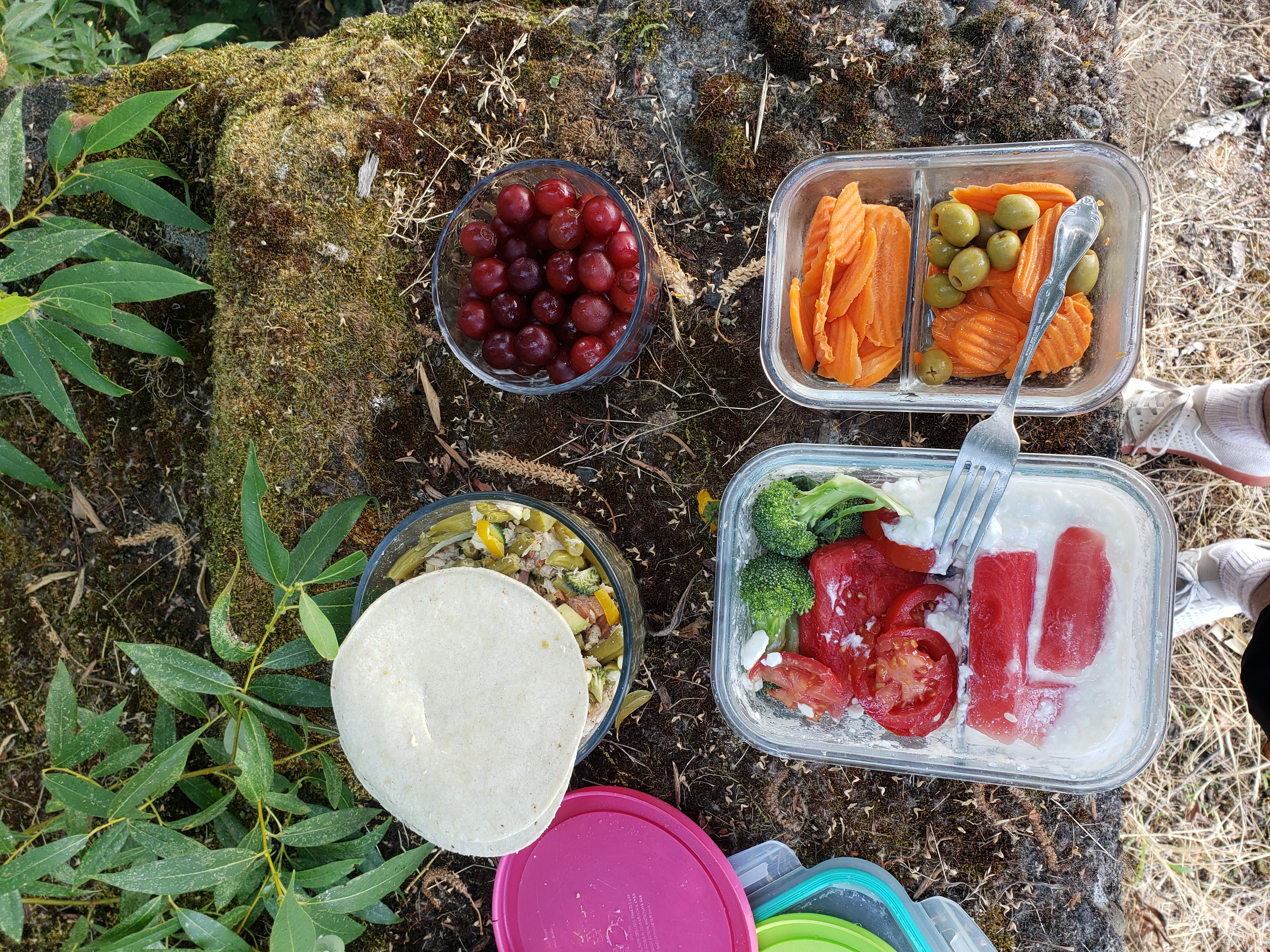
The Meal Prep System
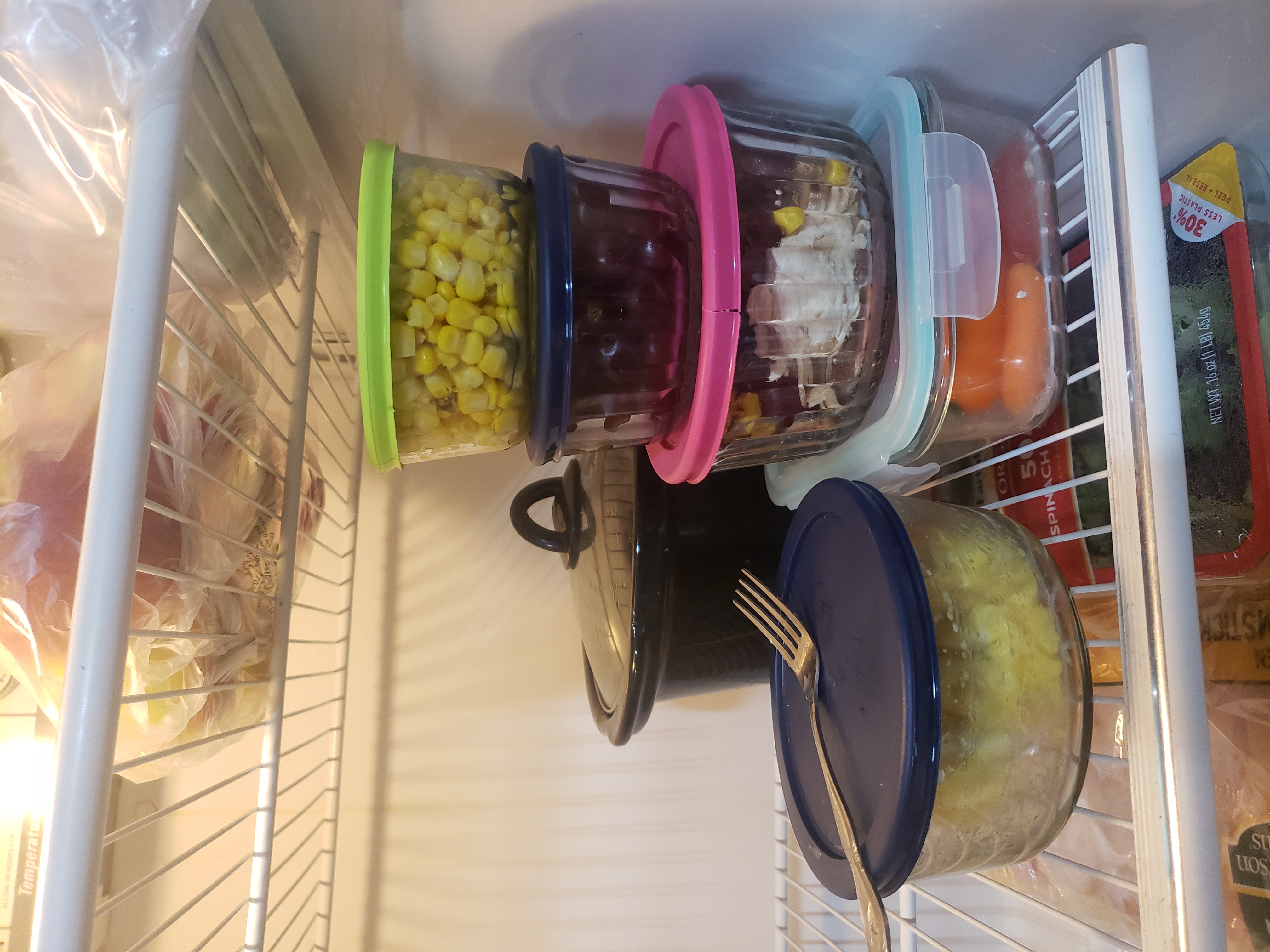
Why Pre-Portioning Mattered: I couldn’t afford to waste break time deciding what to eat or measuring portions. Everything went into color-coded Rubbermaid/Pyrex containers on Sunday.
Typical Day’s Setup:
- Pink lid: Mini corn tortillas
- Green lid: Corn (pre-cooked)
- Blue lid: Shredded chicken with salsa
- Clear container: Cottage cheese
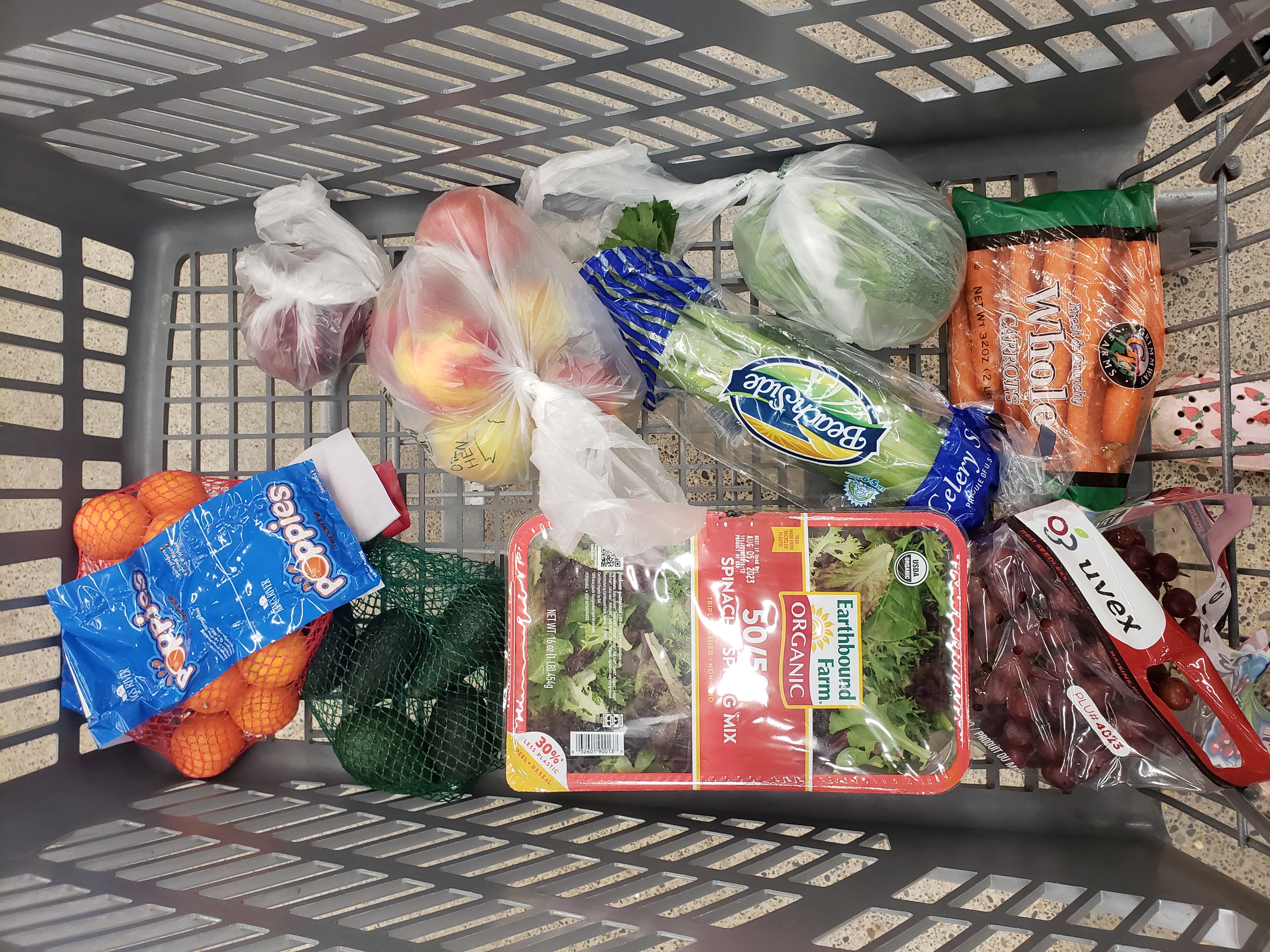
- Separate container: Blueberries, carrots, bell peppers, cucumber, cherry tomatoes
Each container = specific macro target already calculated in MyFitnessPal. Grab, eat, move.
Meal Prep Setup
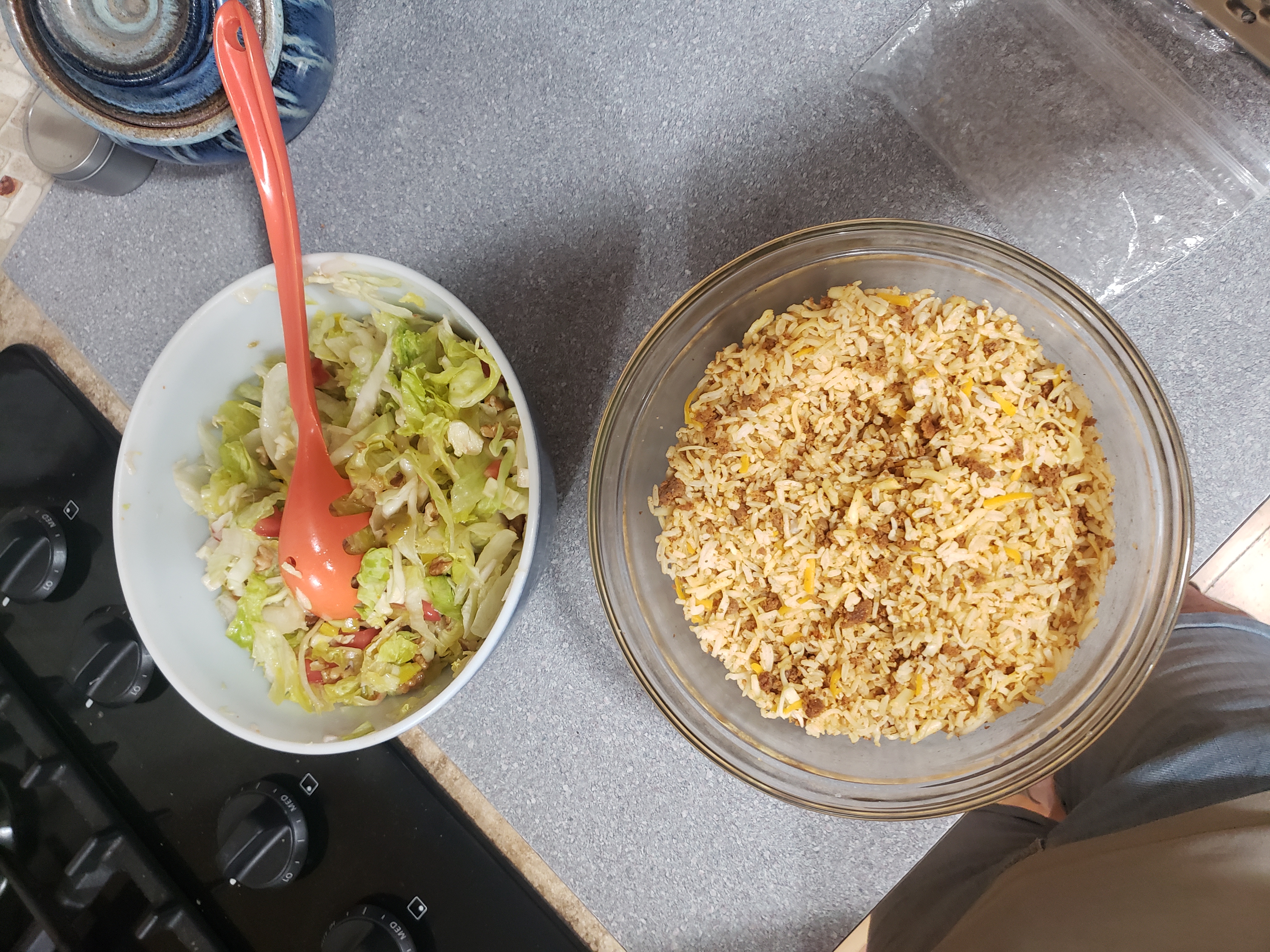
The Slow Cooker Advantage
Sunday Prep (roughly 45 minutes active time):
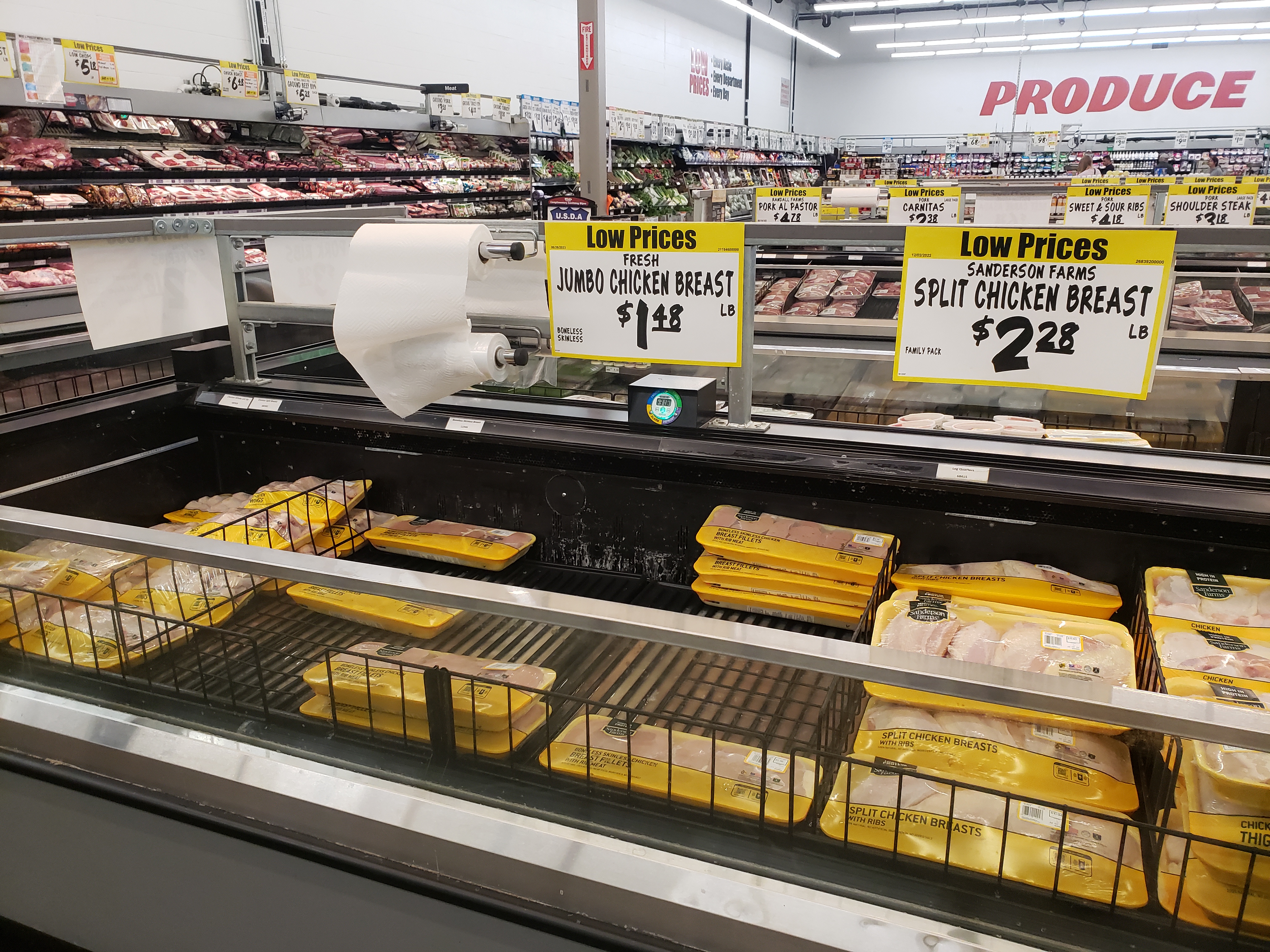
- Chicken breasts in slow cooker with salsa (set it and walk away)
- While that cooks: portion veggies, measure corn, divvy up cottage cheese and berries
- Shred chicken when done, portion into containers
- Everything stacks in fridge, ready to grab each morning
The colored lids weren’t just aesthetic - they became a visual system. Pink = carbs, blue = protein, green = veggies. No thinking required at 6 AM.
Side Quest: Macro Breakdown
Since I didn’t want to weigh food during my break, I relied on the “Container Method” using standard averages. Here is what a typical lunch setup actually yields in nutritional value:
- The Protein Bowl (Blue Lid): ~26g Protein / 0g Carbs / 2.5g Fat (Shredded Chicken + Salsa)
- The Carb & Fiber Fuel (Pink/Green): ~5g Protein / 45g Carbs / 2.5g Fat (Tortillas + Corn)
- The Volume (Clear): ~13g Protein / 20g Carbs / 2.5g Fat (Cottage Cheese + Veggies/Berries)
Total “Power Lunch” Macros:
- Calories: ~490
- Protein: ~44g (High satiety)
- Carbs: ~69g (Fuel for run)
- Fat: ~7.5g (Quick digestion)
The Results Over 12 Weeks
What I Maintained:
- Weight stayed stable (which during AEP season = a win)
- Slight muscle gain from combining work cardio + 3x/week gym sessions
- Running endurance improved despite July heat
- 867+ day MyFitnessPal tracking streak continued unbroken
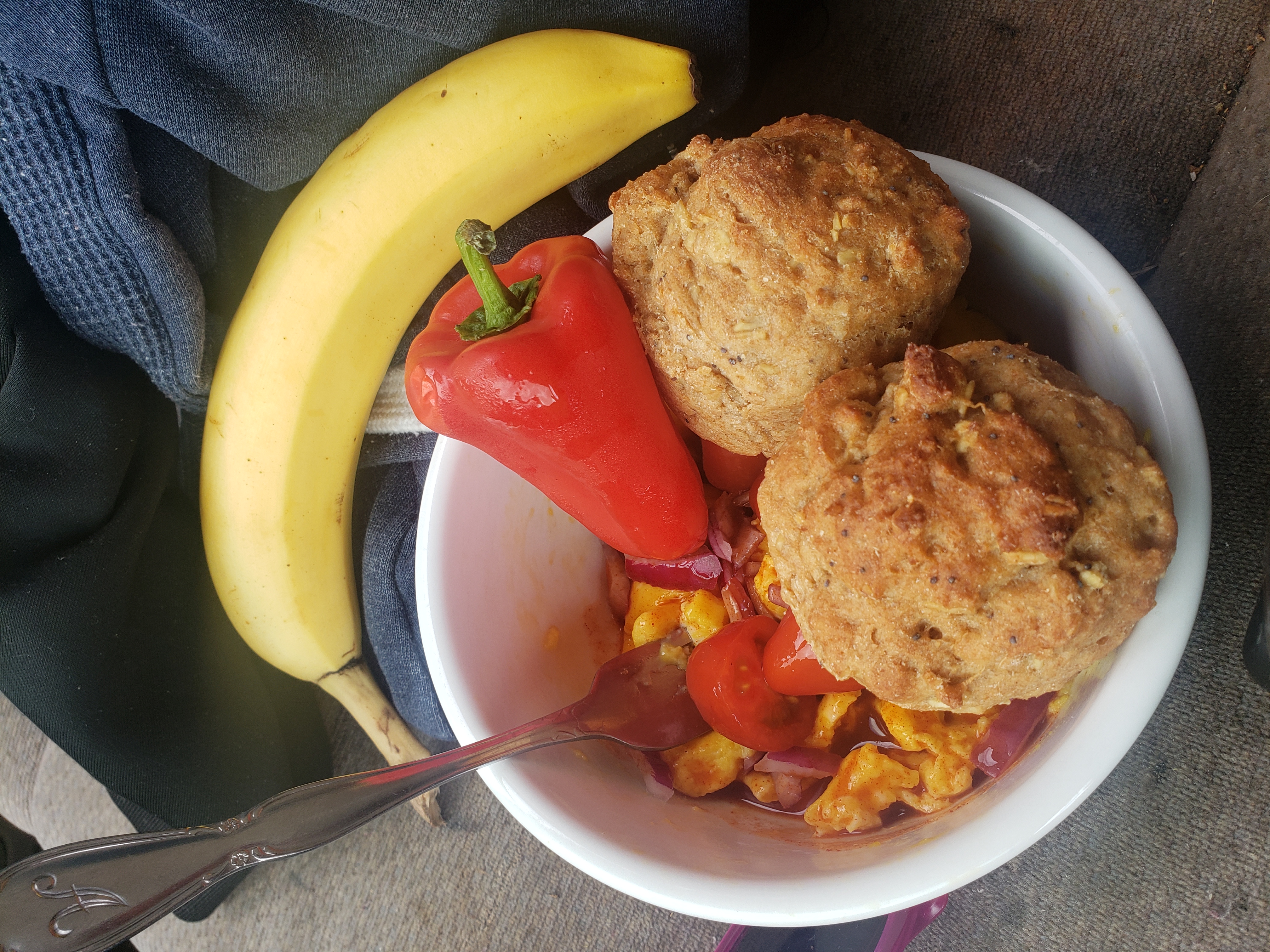
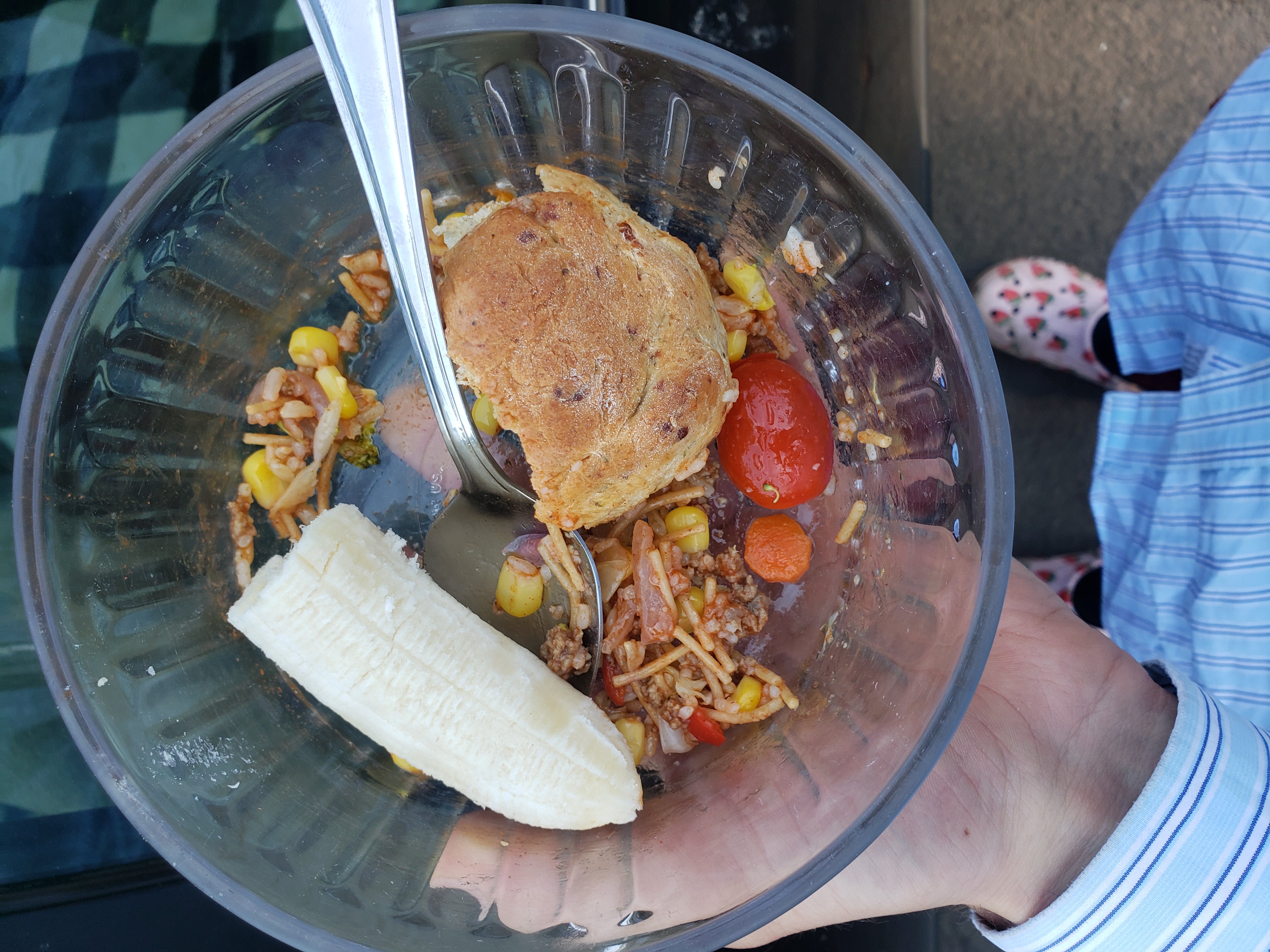
Break Time Meals
Why Insurance/Call Center People Need This
AEP season, open enrollment periods, tax season - whatever your industry calls it - these crunch periods destroy fitness routines. You’re stuck at a desk, stressed, with free snacks everywhere and coworkers normalizing terrible habits.
This system proved you can maintain (or gain) fitness during your industry’s worst 12 weeks. The 1,500 minutes of cardio isn’t theoretical - it’s what actually accumulates when you protect 15 minutes of each break.
The Bottom Line: You either pay the grocer $40 now, or you pay the healthcare system thousands later. The slow cooker is cheaper than the hospital.