The claim: Gluten-free bread is boring, flavorless, and not worth the effort.
My response: Bullshit. People just aren’t testing properly.
Asset Analysis: The ROI of Flour
Before I explain how, let’s look at the financial and qualitative efficiency of this protocol:
| Metric | Store Bought | This Protocol |
|---|---|---|
| Cost Per Unit | $0.58 / slice | $0.27 / roll |
| Structural Integrity | High Friability (Crumbles) | Solid / Elastic |
| Chemical Load | Preservatives & Fillers | Zero |
| Modifiability | Fixed / Static | Open Source |
| Prep Latency | 0 mins (Instant) | 30 mins (Trade-off) |
Annualized Savings: ~$364.00/year (Based on 2 loaves/week).
Why I Did This
I wanted rolls that:
- Actually tasted good
- Made my body go “whippee, you’re eating something bomb”
- Cost way less than buying pre-made GF bread (spoiler: 75% cheaper)
I’m not trying to be something I’m not. I just want food that works.
The Setup
What I used:
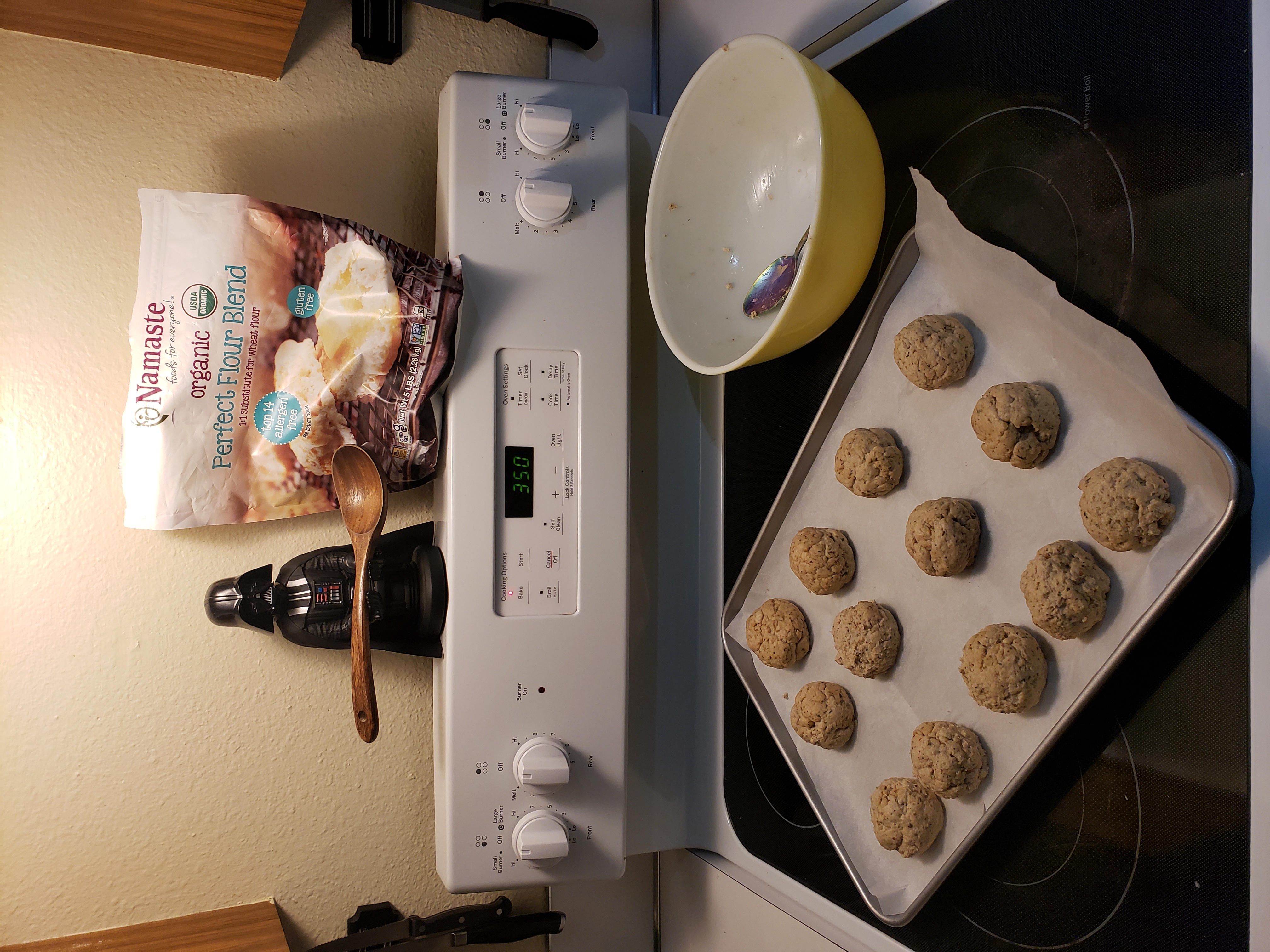
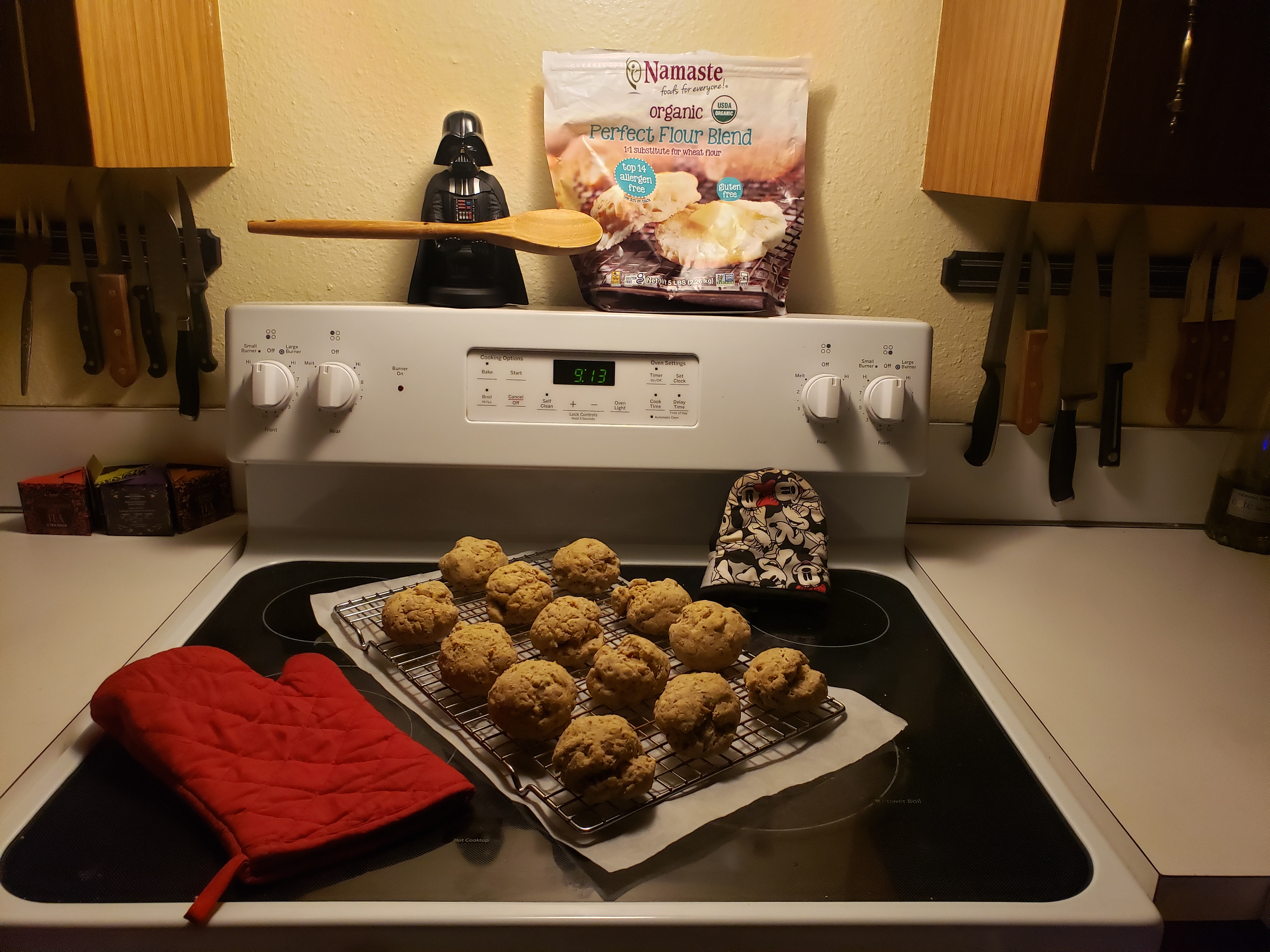
- Flour: Namaste Organic Perfect Flour Blend ($9/bag at Costco)
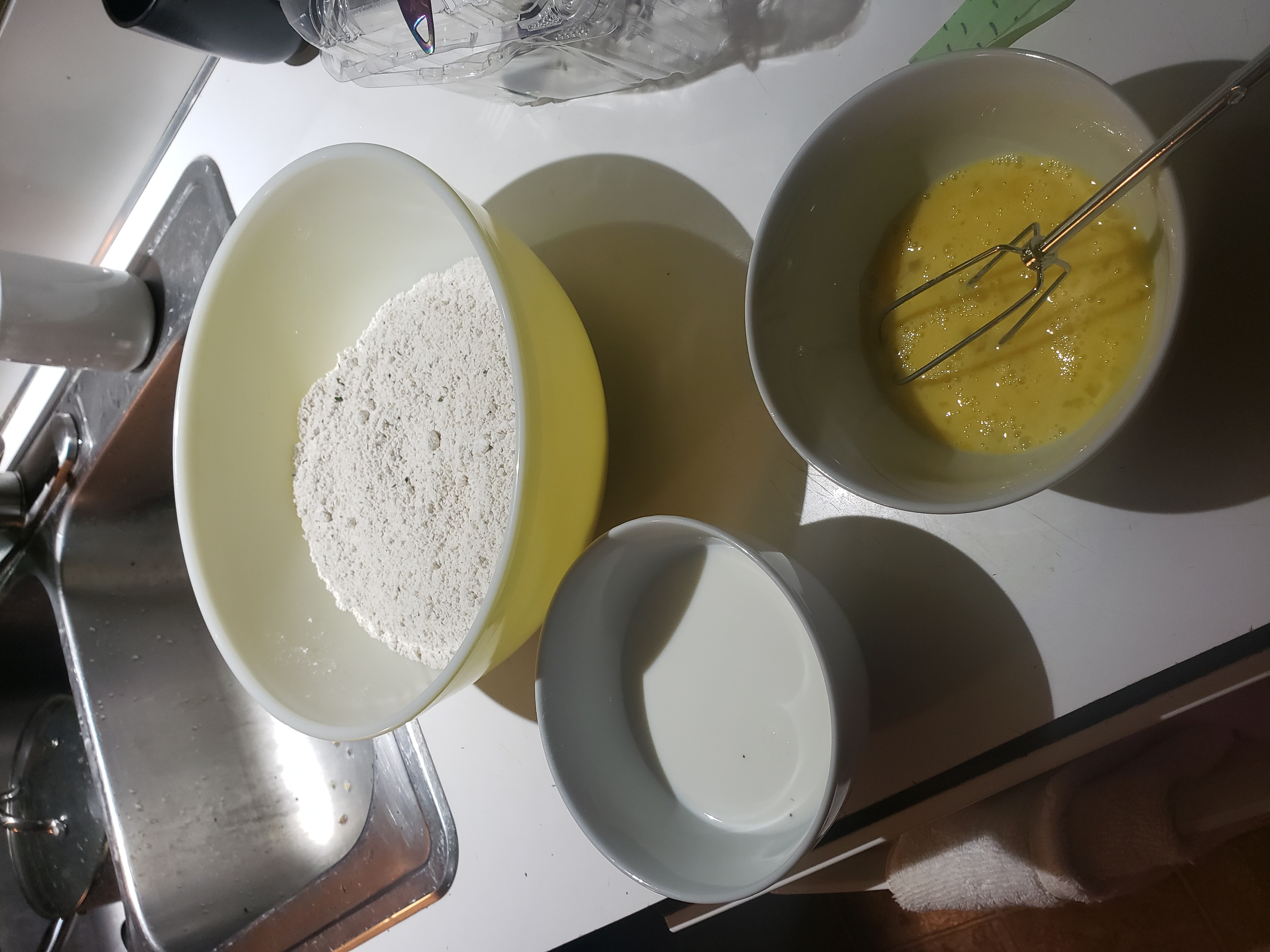
- Liquid: Water (roughly 2:1 flour to water ratio)
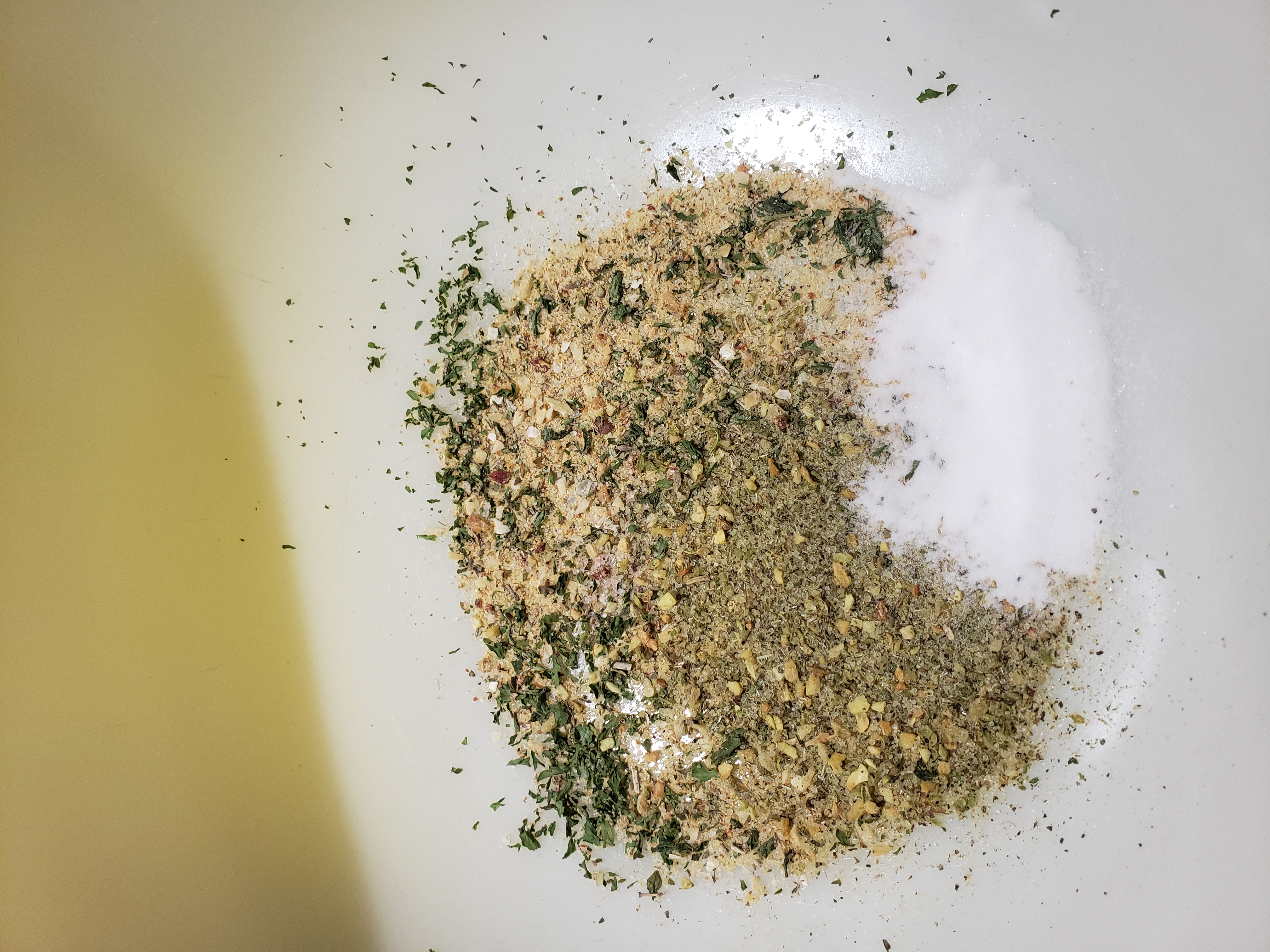
- Flavor: Salt & small amount of sugar
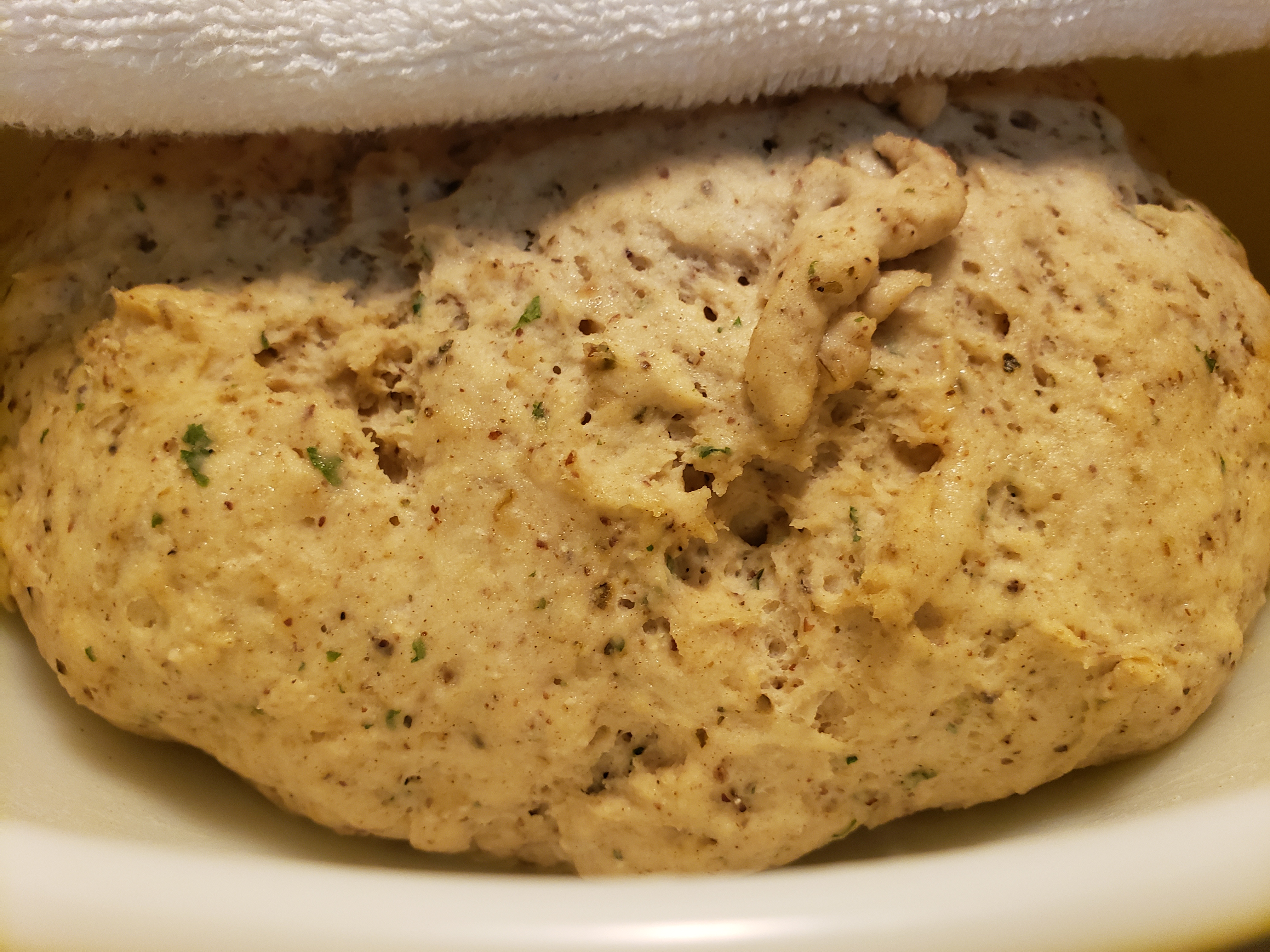
- No yeast - I wasn’t waiting for rise time
I was listening to 1200 Micrograms — E=Mc2 during the mixing process. This is one of those times where you can easily jump around, dance to the music and add in some easy movement to your day. I cannot confirm if the bass frequency improves the dough binding, but I cannot deny it either.
The process: Mix flour and water using basic bread principles. Add salt and sugar. Test consistency by scraping spatula against bowl - if dough comes off clean, you’re done.
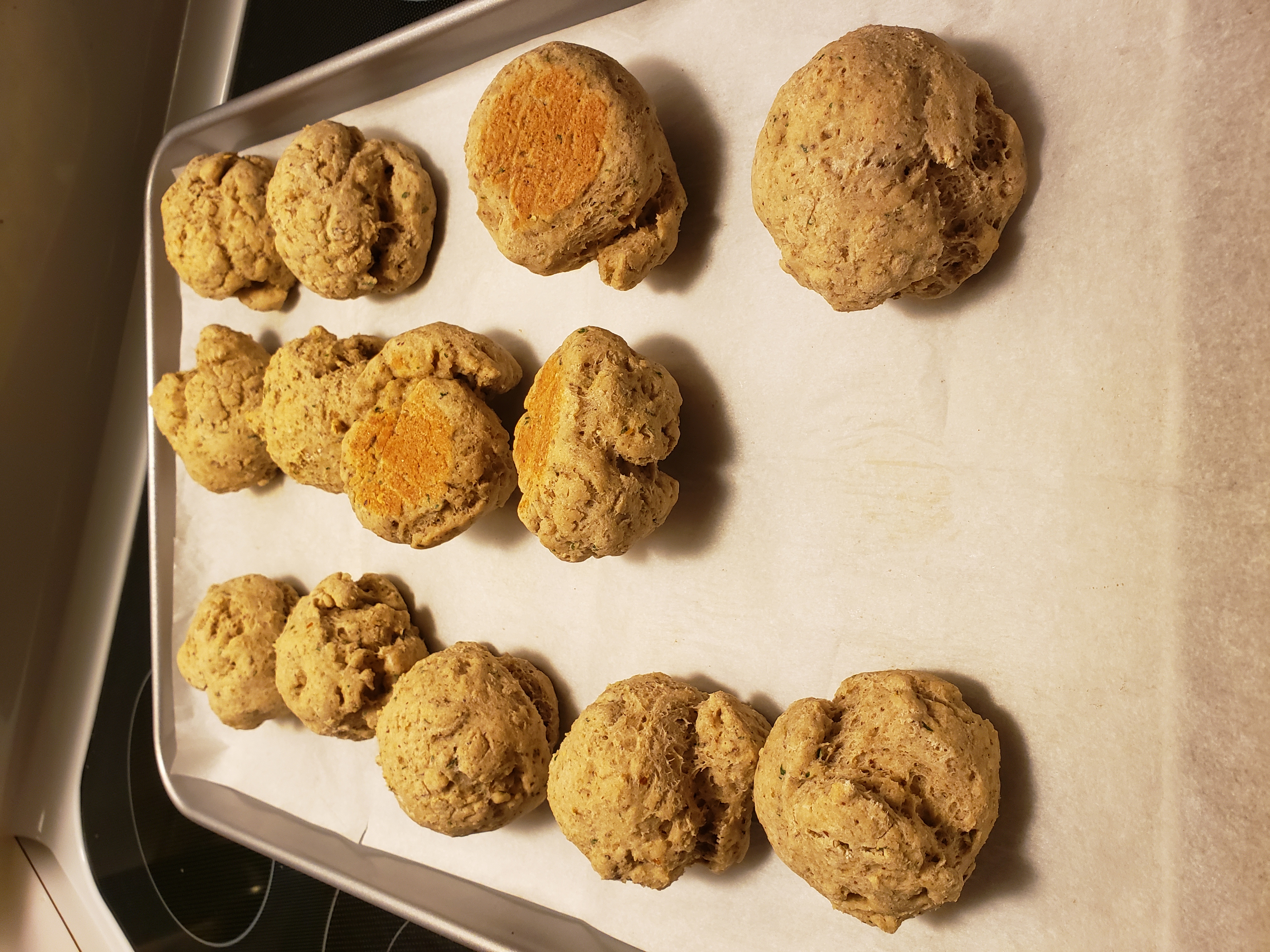
Batch size: This made 13 rolls.
Cost breakdown:
- Pre-made GF bread: ~$6-8 per loaf (maybe 12-16 slices)
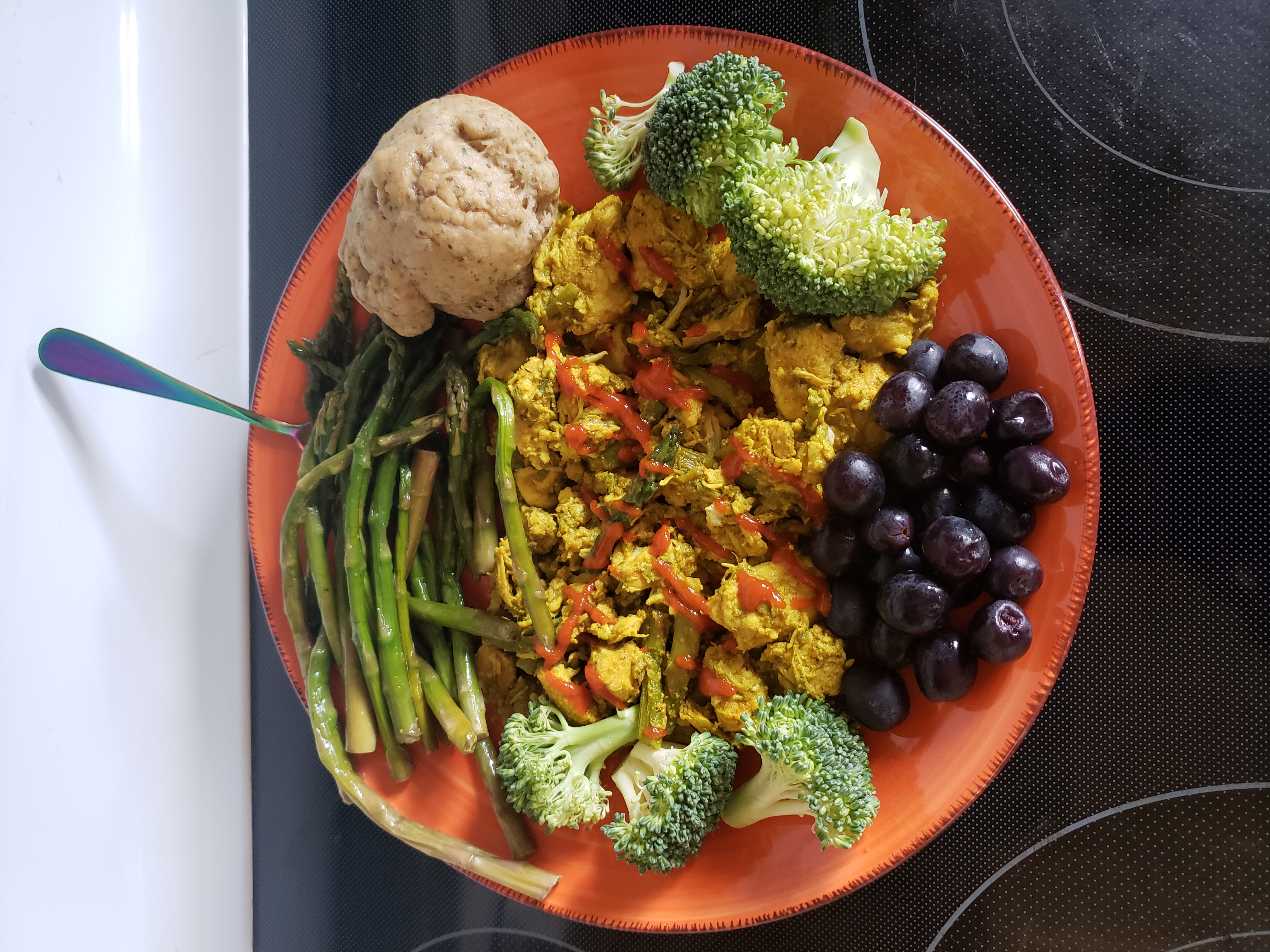
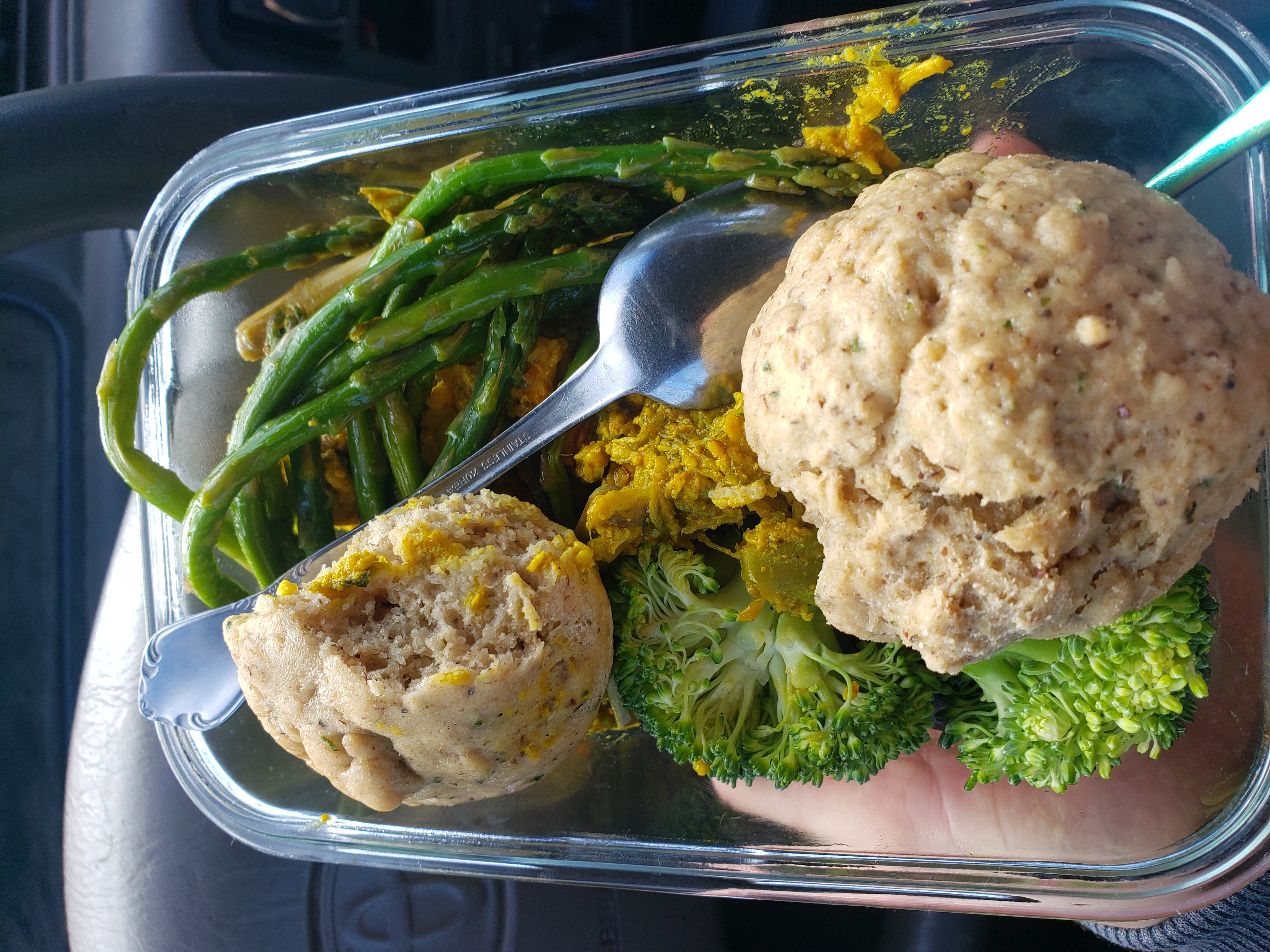
- This batch: ~$3-4 worth of flour for 13 rolls. I liked the density because when eating juicy foods like chicken or eggs and hot sauce, you can use part of your roll as a food dam.
- Savings: ~75% cheaper
Prep Station
Baking Details
No yeast = no waiting. Just form the rolls and bake them.
Temperature: 350°F
Time: 20 minutes
How They Turned Out
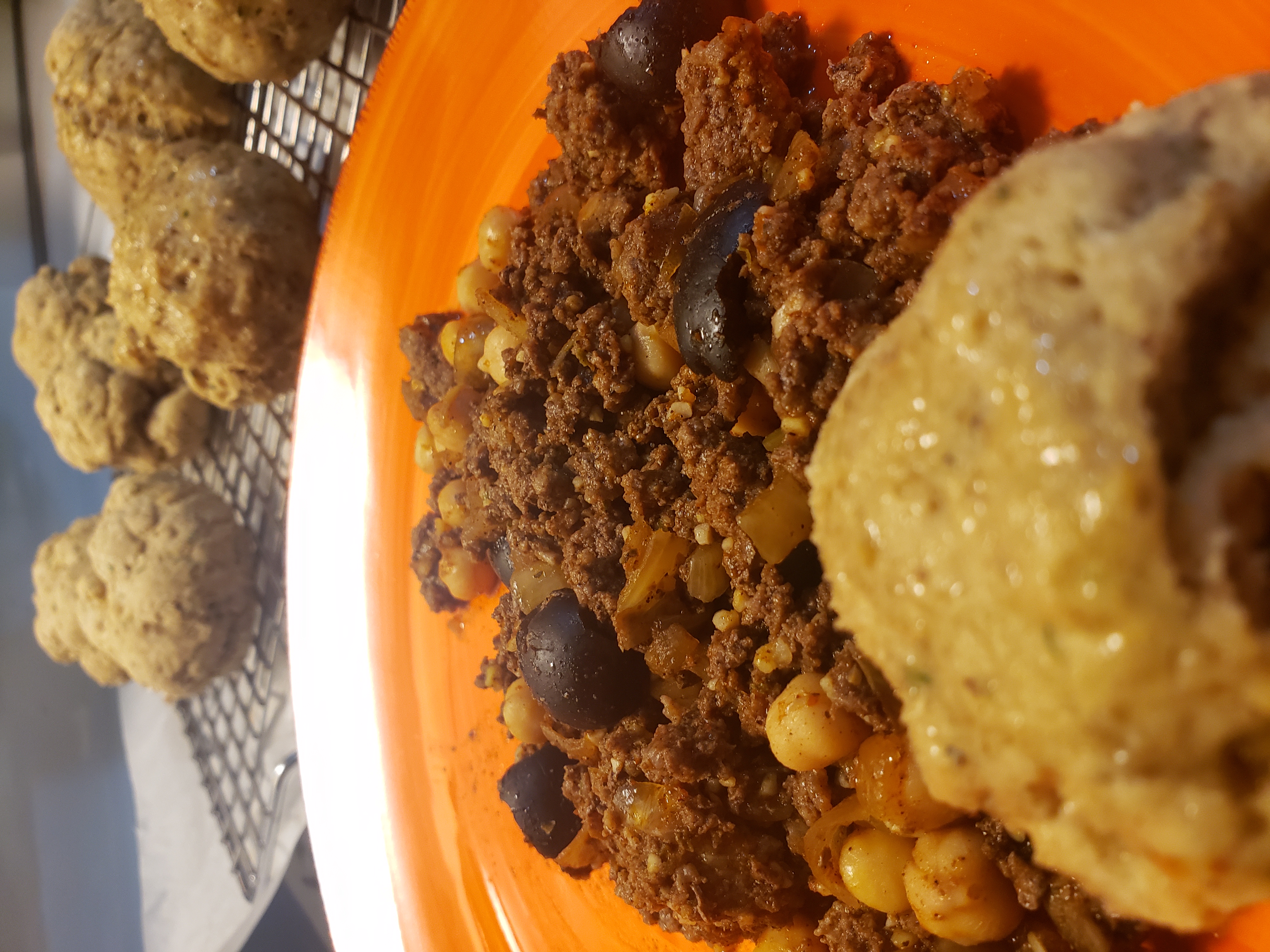
Perfect consistency. No crumbling. No dry, chalky GF texture.
What I ate them with:
- Breakfast: Eggs
- Dinner: Beef dishes
- Whatever else I wanted
I wasn’t testing them with specific foods for science - I used them because I like eating yummy food.
Vader’s Critical Contribution
He sat on the stove holding my wooden spoon while I mixed. He gave me the courage needed to wield my spatula. His presence was essential.
Side Quest: Did You Know?
While waiting for the oven, I fell down a research rabbit hole on why this actually works.
- The “Glue” Factor: The Namaste blend works because of Xanthan Gum. It’s a polysaccharide secreted by the bacterium Xanthomonas campestris. Basically, we are using bacterial fermentation residue to replace gluten structure.
- Histamine Optimization: Yeast-based breads are high in histamines. By removing yeast, you reduce the inflammatory load on the system. If you’re tracking biomarkers, this is a cleaner fuel source.
The Evidence
Fresh Baked
The Real Takeaway
13 rolls for ~$3-4 of flour vs. $6-8 for store-bought GF bread.
The “GF bread is boring” narrative is lazy execution. The Namaste blend already has xanthan gum and binders built in - you just need to actually make it properly.
Would I make them again? Already did. Multiple times.